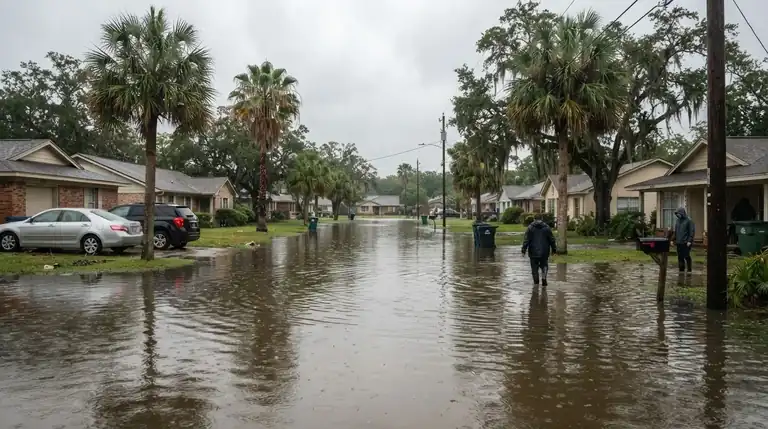
Storm and Flood Cleanup in Baytown, TX: First Steps
Baytown's flood risk comes from Goose Creek, Cedar Bayou, and storm surge off Galveston Bay, and each source calls for the same careful first steps.
Who to Call First in BaytownSafety Comes Before Cleanup
Floodwater can hide hazards that are not visible from the doorway — electrical current, structural damage, or contamination. Do not enter a flooded home until officials say it is safe, and treat any standing water around your property as a health risk until you know otherwise.
- Do not walk, swim, or drive through floodwater; FEMA warns that six inches of moving water can knock a person down and one foot can sweep away a vehicle.
- Leave if officials order evacuation, and do not return until officials say it is safe.
- Do not enter if floodwater remains around the building, if there is a gas smell, structural damage, downed wiring, or suspected contamination.
- Turn off electricity only if it is safe to do so; do not touch wet electrical equipment or stand in water while doing it.
- Do not run a generator indoors; use it outdoors and away from windows and doors.
These steps come from FEMA's Ready.gov guidance for flood recovery. This page is general information, not legal or insurance advice — your own policy and local rules control the specifics of your situation.
Document Before You Clean
Once it is safe to go inside, photograph and video the damage before you move or discard anything. FEMA recommends capturing every affected room, the water lines on walls, and the source of the water while it is still visible.
- Photograph and video every affected room, water lines on walls, and damaged contents.
- Keep receipts for temporary repairs, lodging, and cleanup.
- Make only the temporary repairs needed to prevent further damage; check with your insurer before permanent repairs where possible.
- Notify your insurer promptly and ask what documentation it needs to process your claim.
FEMA's guidance is to hold on to damaged property until the insurer or adjuster has had a chance to review it, unless it presents a health or safety hazard. If a burst pipe rather than a storm caused your damage, the Baytown burst pipe water damage guide walks through the insurance claim deadlines that apply either way.

What Your Policy Is Likely to Cover
Texas homeowners policies treat storm flooding and a sudden pipe burst quite differently, and the general pattern below helps you set expectations before you call your insurer about a claim. Your own policy wording always controls what is actually paid out.
| Cause of water damage | Typical treatment | Source | Checked |
|---|---|---|---|
| Flood from rising water or storm surge | Most standard homeowners policies generally exclude flood; a separate flood policy is usually needed | Texas Department of Insurance | September 2026 |
| Sudden and accidental discharge, such as a burst pipe | Usually covered, subject to policy terms and deductible | Texas Department of Insurance | September 2026 |
| Continuous leakage or seepage | Usually excluded | Texas Department of Insurance | September 2026 |
| Mold, except repair tied to a covered water loss | Usually excluded or limited; sublimits of 25%, 50%, or 100% of Coverage A appear in TDI-published mold endorsements | Texas Department of Insurance | September 2026 |
A separate National Flood Insurance Program policy covers up to $250,000 on the structure and up to $100,000 on contents, with coverage normally starting 30 days after purchase, with some exceptions (FEMA, FloodSmart). TWIA windstorm policies cover wind and hail only, not flood or storm surge.
How Fast Mold Can Start
Wet materials do not wait for you to finish documenting the damage before a mold problem starts to set in. FEMA, EPA, and CDC each publish their own timing guidance for drying wet materials after a flood, each in its own words below.
- FEMA: wet carpeting, furniture, bedding, and any other items holding moisture can develop mold within 24 to 48 hours.
- EPA: in most cases, mold will not grow if wet or damp items are dried within 24 to 48 hours.
- CDC: dry out affected areas fully and quickly, within 24 to 48 hours, to help prevent mold growth.
Keep floodwater-contaminated materials separate from the rest of your belongings, and people with asthma, lung disease, or a suppressed immune system should avoid entering rooms with visible or suspected mold. A company you hire needs a TDLR mold remediation license once a project reaches 25 contiguous square feet of contamination; an owner may work on the owner's own residential property without one, regardless of area (Occ. Code §1958.102(c), §1958.102(e)). The Baytown burst pipe guide covers what happens after licensed remediation is completed.

Permits and Floodplain Rules for Rebuilding
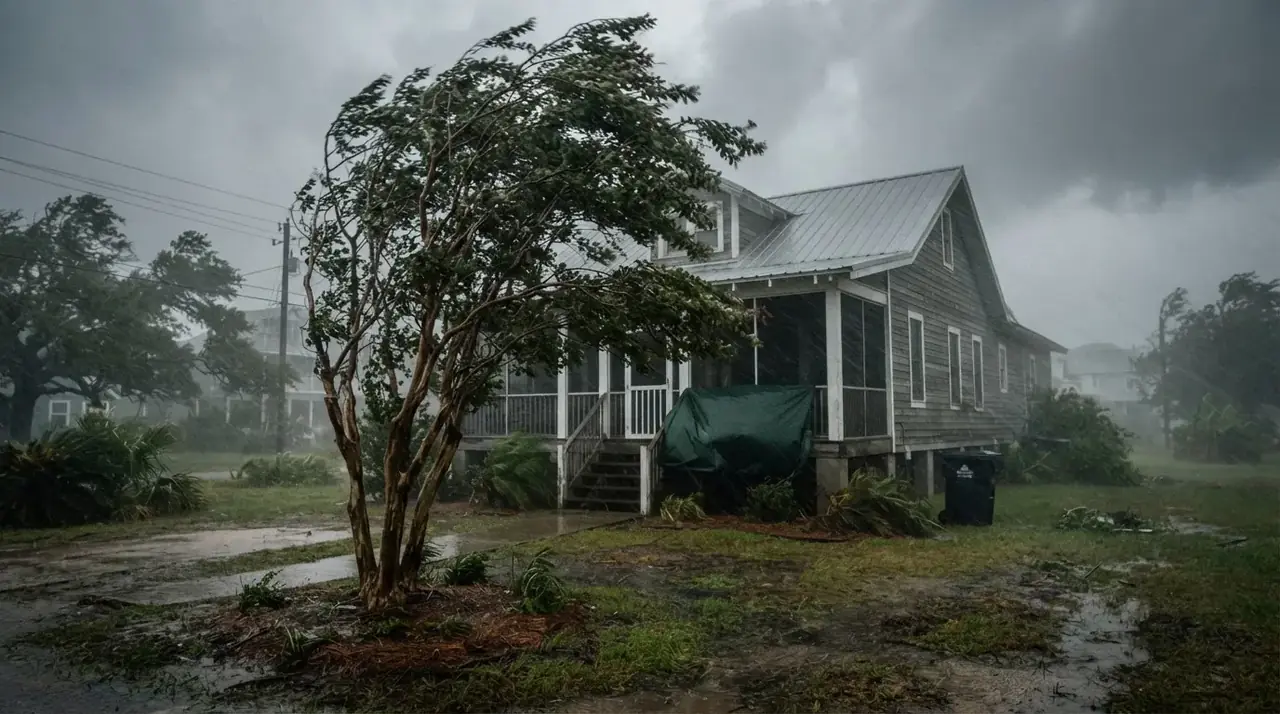
Storm damage that requires structural repair can trigger Baytown's floodplain rules, especially for a home that has flooded more than once and is now being substantially rebuilt from the studs out. Check with the City before you rebuild the same way a second time.
- All development within Baytown must obtain permits, and development in the floodplain without permits is illegal (City of Baytown).
- For a substantial improvement or post-flood reconstruction in the regulatory floodplain, Chapter 110 requires the lowest finished floor to be 24 inches (2 feet) above the 500-year flood elevation.
- Building Services Division, 281-420-6537, handles residential permit questions, and Public Works & Engineering, 281-420-5300, is the City's floodplain contact.
Not sure who to call first after a storm floods your home? Start with who to call first in Baytown for the full sequence, from 911 to your insurer.
If That Did Not Work
A first call that goes unanswered after a storm does not mean no one can help — City offices and insurers alike field more calls than usual right after a storm passes through. Try the next route below instead of waiting on hold.
- Try again — call back on the same number.
- Try another route — reach Building Services at 281-420-6537 for permit questions if Public Works & Engineering is busy, or the reverse.
- If you cannot reach anyone and there is danger to life or property, use 911; otherwise document the damage and contact your insurer while you keep trying.
For the complete Baytown water damage picture, including burst pipes and insurance deadlines, see the Baytown water damage overview.
Frequently Asked Questions
Does homeowners insurance cover storm surge from Galveston Bay in Baytown?
How much does NFIP flood insurance cover?
How fast can mold start after storm flooding?
Does Chapter 110 require my rebuilt home to be elevated after flood damage in Baytown?
Is it safe to turn off my own electricity after a storm floods my Baytown home?
Which waterways does the City of Baytown name in connection with local flooding?
Should I throw away wet furniture and belongings after a flood?
Water in your home right now?
See who to call first in Baytown, how to reach your water provider, and how to check your flood zone.
Who to Call First in Baytown